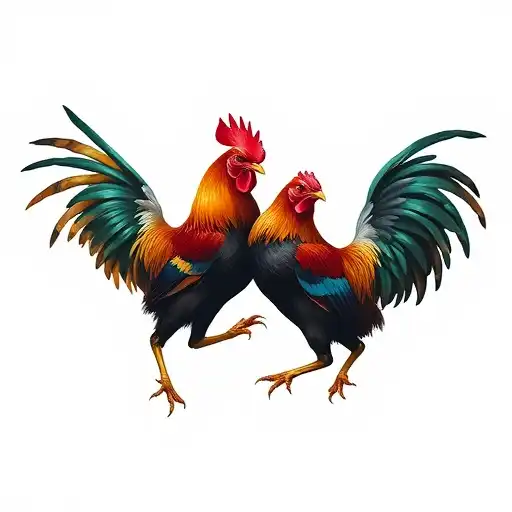

The Tradition and Controversies of Rinha de Galos: A Detailed Exploration
Introduction to Rinha de Galos
Rinha de Galos, better known as cockfighting, has been a traditional yet controversial activity in various cultures worldwide. This bloodsport, where two roosters are placed in a ring to fight, holds a significant position in cultural history but also raises considerable ethical concerns. Exploring the nuances of Rinha de Galos is crucial for understanding the delicate balance between tradition and modern-day animal rights advocacy.
Historical Context
Origins and Cultural Significance
The history of cockfighting dates back thousands of years and is believed to have originated in Southeast Asia. As it spread through different continents, each culture adopted and adapted it uniquely, rendering it a cross-cultural phenomenon. Cockfighting was not just a sport; it was often a social event that fostered community bonding. Rooted deeply in traditions, these events were occasions that brought together individuals from varied backgrounds, unified by the excitement of the game.
Global Spread
As cultures expanded and civilizations interacted, cockfighting found its way to various parts of the world, including the Roman Empire, where it was a popular pastime. The British later carried the sport to their colonies, further ingraining it in global cultural practices. In some cultures, such as in the Philippines and parts of Latin America, cockfighting still persists as a sanctioned event, often accompanied by festivities and gambling.
Examining the Controversy
Legal Status Across Regions
The legality of cockfighting varies vastly across the globe. While some countries such as the Philippines still allow it under regulated conditions, others have banned it outright, citing animal cruelty. In Brazil, where the term Rinha de Galos is most popularly used, legal battles continue to determine the sport's future. Despite the bans in many places, underground rings persist, posing challenges to law enforcement and animal rights organizations.882bet
Ethical Debate
The primary ethical concern surrounding Rinha de Galos is the perceived cruelty of the sport. Animal rights activists argue vehemently against the violence inflicted upon the animals, raising awareness about their welfare and advocating for stricter laws. Conversely, proponents view it as a tradition that needs preservation, often drawing parallels with other forms of culturally significant practices involving animals, such as bullfighting.
Modern Adaptations and Challenges
Cultural Pride vs. Animal Rights
The debate between cultural heritage and animal rights is critical when discussing Rinha de Galos. While efforts have been made to adapt and modify the practice to reduce harm, the core issue remains unresolved. Appeals to preserve cultural practices must face the evolving ethical standards that demand humane treatment of animals. The conversation turns even more heated in communities that see cockfighting as a fundamental part of their cultural identity.
Influence of Technology and Social Media
With the emergence of technology and widespread internet access, Rinha de Galos has not been immune to digital influence. Social media has played a dual role; on one hand, it has amplified calls for the abolition of the sport by broadcasting its violent aspects to a global audience. On the other hand, it has allowed enthusiasts to create communities and share knowledge about breeding and training techniques, often sidestepping legal restrictions. The era of digital information exchange poses new challenges for the regulation of cockfighting activities.882bet
The Future of Rinha de Galos
Potential for Regulation
Efforts to find a middle ground have seen discussions about regulated matches that ensure the health and safety of the birds to a greater extent. Nevertheless, potential regulations face administrative hurdles and ethical conundrums. Enforcing such measures remains complex, with various stakeholders having vested interests in maintaining the status quo.BB78.com
Role of Education and Awareness
Education and raising awareness are pivotal components in shaping the future of Rinha de Galos. Campaigns that emphasize the humane treatment of animals and educate the younger generation about ethical alternatives can aid in transforming societal norms. By promoting dialogue and understanding, communities can work towards adopting practices that honor cultural legacies without compromising ethical progress.BB78.com
Conclusion
The journey toward a comprehensive understanding of Rinha de Galos is multifaceted, involving historical, cultural, legal, and ethical dimensions. As conversations continue, balancing tradition with ethical considerations remains a central theme, shaping the future discourse around cockfighting in the context of modern society's evolving values.882bet